
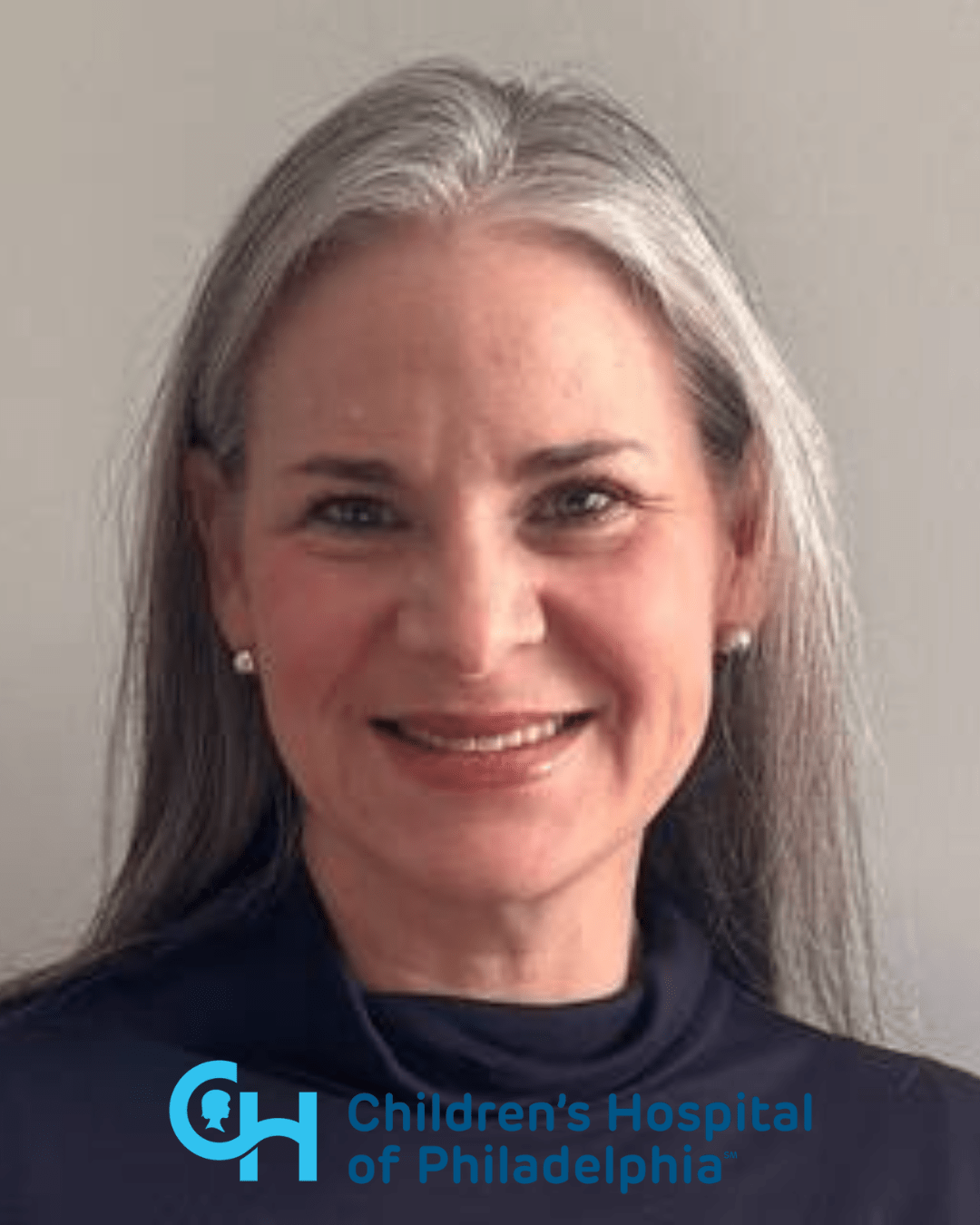
In January 2026, Dr. Jena Miller joined Children’s Hospital of Philadelphia (CHOP) as co-director of the Richard D. Wood Jr. Center for Fetal Diagnosis and Treatment (CFDT). She will serve alongside fetal medicine pioneer Dr. N. Scott Adzick.
Dr. Miller comes to CHOP with more than a decade of experience at Johns Hopkins, where she helped create the Johns Hopkins Center for Fetal Therapy and built a program for minimally invasive fetal interventions. With that background, she brings both expertise and fresh vision to one of the world’s leading fetal care centers. With Dr. Miller joining the CFDT, CHOP is not only adding an exceptional clinician. It is strengthening its position as a global leader in fetal care, ready to explore new frontiers in early diagnosis, intervention and innovation.
Read on for the Q&A where Dr. Miller offers her insights about her path into maternal-fetal medicine, the innovations shaping the field, and what excites her about joining CHOP.
Q: What first drew you to maternal-fetal medicine, and when did you realize it would be your life’s work?
A: When I was a resident in obstetrics and gynecology, I was motivated by a simple goal: I never wanted to be with a pregnant patient and not know what to do. Pregnancy is such a unique and remarkable time and caring for women during that period felt deeply meaningful. But maternal-fetal medicine called to me. It was about mastering complex situations and making sure I could provide the best possible care when the stakes were highest.
Q: Was there a defining moment that shaped your approach to fetal medicine?
A: Absolutely. The day before I began my fellowship, I observed a fetoscopic laser surgery for twin-twin transfusion syndrome, or TTTS. This condition affects identical twins who share a placenta, when blood flow becomes unbalanced between them. The procedure I saw was minimally invasive, using a tiny camera and laser to separate the shared vessels on the placenta. To witness a single surgery that could completely change the course of a pregnancy — it was the most remarkable thing I had ever seen. From that moment, I knew I wanted to dedicate my career to fetal medicine and intervention.
Q: Twin-twin transfusion syndrome is such a critical area within maternal-fetal medicine. Based on your experience, how are advances in diagnosis and treatment changing outcomes for families facing this complex condition?
A: TTTS used to carry very high risks for both babies, but advances in ultrasound surveillance and surgery have changed that story. Today, we can diagnose TTTS earlier and monitor it more closely. When surgery is needed, fetoscopic laser ablation allows us to separate the twins’ blood vessels on the placenta and balance the circulation. This minimally invasive approach has greatly improved survival rates and long-term outcomes.
Just as important is how we support families through the process. TTTS can be overwhelming, and parents are often faced with sudden and difficult decisions. Having a specialized team that can provide advanced procedures, and emotional guidance makes a tremendous difference.
Q: You’ve spoken about the power of minimally invasive procedures like fetoscopic surgery. What role does innovation in instruments and technology play in moving the field forward?
A: Innovation in instrumentation is essential. Many of the tools we use today are adapted from other areas of medicine rather than designed specifically for fetal surgery. That means we often face challenges with precision, flexibility and visibility inside the womb.
Developing instruments that are smaller, easier to maneuver and tailored for fetal procedures will open the door to safer surgeries. Advances in imaging and visualization are equally important, helping us see more clearly and make delicate movements with confidence.
One of my areas of expertise is ultrasound-guided procedures, which can be used to treat fetal anemia and other conditions. With better tools, we can perform these procedures more safely and expand what’s possible for families.
Q: What excites you about joining CHOP and stepping into the co-director role?
A: CHOP is regarded around the world as a founding institution in fetal intervention and surgery. Joining a team with decades of experience and the ability to push boundaries in care is an incredible honor. My top priority will be to safely expand the number of families we can serve, particularly those with the most complex fetal conditions. I’m also eager to explore early-pregnancy, or first trimester, interventions and new therapies that could transform outcomes for conditions we are only beginning to understand.
Q: Can you talk about your clinical and research interests?
A: My work spans a wide range of fetal interventions, but I have focused especially on surgery before birth for babies with spina bifida, a condition where the spinal column does not form properly. At Johns Hopkins, I helped lead the use of fetoscopic, or minimally invasive, techniques for fetal spine closure as an alternative to open fetal surgery.
Right now, I am the site principal investigator for an international clinical trial sponsored by Johnson & Johnson studying a medicine called nipocalimab. This study, called the AZALEA trial, is looking at how the drug might help babies affected by Rh alloimmunization, a condition in which a pregnant person’s immune system attacks the baby’s red blood cells. That can cause fetal anemia, or low red blood cell counts before birth. I hope to continue that work and caring for babies with fetal anemia is an area I plan to grow at CHOP.
More broadly, I am interested in developing new treatments and strategies that improve care for both patients and families, combining careful research with thoughtful, team-based care.
Q: How do you define “world-class fetal care”?
A: World-class fetal care is about complete support for the family and the pregnant person — not just performing surgeries. It’s about providing information, guiding decision-making and making sure families feel supported and safe. Every pregnancy is unique, and care looks different for each family. Sometimes the best intervention is surgery. Sometimes it’s about planning for delivery in the safest way possible or providing compassionate guidance during difficult circumstances.
Q: Families meet you at pivotal moments in their lives. How do you build trust in those first conversations?
A: The first consultation is about listening, reviewing what we know from referring doctors, and guiding families through next steps. Even when answers aren’t immediately clear, our goal is to work with families, give them clear information, and make sure they feel supported throughout the process. The relationship side of care is just as important as any procedure we perform.
Q: Outside of work, how do you recharge and stay grounded?
A: I have two daughters, ages 15 and 12, who are active in sports, especially lacrosse. When I’m not at work, you’ll find me on the sidelines, focused on being present for them. It’s grounding and a reminder of what matters most.
Q: What energy or ethos do you hope to bring to your colleagues and the families you serve?
A: I aim to show up every day present, pleasant and solution oriented. Fetal medicine is unpredictable — emergencies arise, and priorities shift constantly. My focus is always on addressing the most urgent needs with diligence, compassion and a collaborative spirit.
Q: Any final thoughts on what drives your commitment to this work?
A: The impact of what we do truly matters, even when we cannot “fix” a problem. Simply being present, holding space and guiding families through uncertainty is deeply meaningful. That, combined with the opportunity to innovate and expand the frontiers of care, is what continues to inspire me every day.